Skip to main contentПерейти к содержимому
Theme: Dark
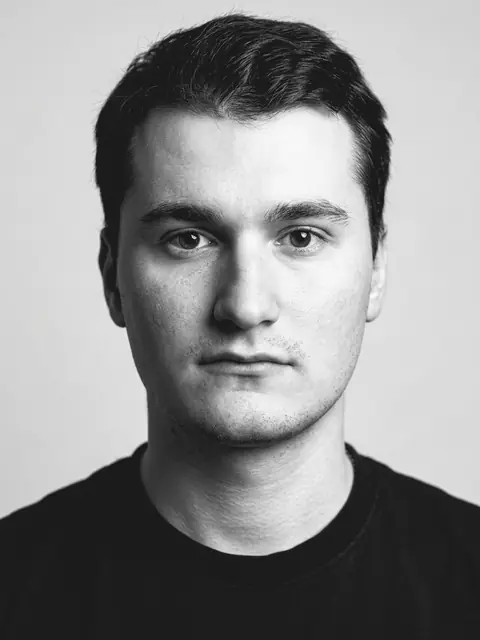
Portrait of Artem Vasilyev

Artem Vasilyev

Senior Go Backend Engineer / Platform Engineer

I help build the backend foundation of digital products: domain models, APIs, integrations, diagnostics, releases, and technical manageability — so systems can handle load, changing requirements, and new product scenarios.

@avslyv

Senior Go Backend Engineer / Platform Engineer

Experience4+ years of commercial Go backend development
Focuscomplex business logic · clear APIs · integrations · service resilience
Domainstelecom · eCommerce · EdTech · geospatial · engineering education

Go · GraphQL · gRPC · Kafka · Kubernetes · PostgreSQL · Redis

backend platforms · architecture · technical leadership
3 520days in code
ENGINEERING FOCUS

A strong backend platform is a business system: domain, APIs, data, integrations, and ownership of the outcome.

ContractsDomainScaleDiagnosticsOwnership

Where My Engineering Delivers the Most Value

In products where the backend shapes how fast the product evolves, how resilient its scenarios are, how integrations behave, and how safely the team can ship changes.

The product is growing faster than the architecture

When new roles, rules, scenarios, and integrations appear faster than the system can adapt, the backend quickly becomes fragile.

What I do

I structure the domain, define boundaries, simplify the model, and design APIs so new features do not break the existing logic.

Outcome

The product evolves faster, and new changes turn into regression risk far less often.

Integrations hide the real cause of failures

When a scenario flows through several services, external APIs, data, and configurations, the team spends time hunting for the failure point instead of fixing it.

What I do

I design contracts, errors, logs, and tracing so it becomes clear where a scenario breaks: data, integration, configuration, or domain logic.

Outcome

The team finds root causes faster, supports the system with more confidence, and relies less on manual investigation.

Changes have to actually reach production

Code is only part of the work. A change has to travel from requirements and decomposition through review, release, compatibility, and ongoing support.

What I do

I keep the product goal, architectural decision, and operations connected — thinking through boundaries, risks, tests, contracts, and the release itself.

Outcome

Delivery becomes more predictable, and changes stay safer for the product, the team, and the users.

ENGINEERING APPROACH

Hey. For me, backend isn’t just code — it’s a way to turn a complex domain into a system the team can understand: with durable contracts, transparent diagnostics, and an architecture that keeps moving forward after release. I work where business rules, integrations, data, and load have to stay predictable not only during development, but well after the product ships.

Engineering Education

A direction where I invest in Go developer growth, code-review quality, and practical knowledge sharing inside the engineering community.

Open a card for the full role breakdown

MTS logo

Go Mentorship and Internal Engineering Education

MTS Teta2025 — Present

Go Backend Mentor · Technical Content Contributor

Topics: Go · context handling · error handling · concurrency · testing · interfaces · clean architecture

Context: I create learning materials, run practical reviews, and connect Go syntax with production backend engineering.

Code as a Way of Thinking

I started programming in school, around the age of ten. Pascal, Java, algorithmic problems, frontend, and an interest in building products gradually led me toward backend engineering.

In 2018, I discovered Go — a language where I found an engineering style that felt close to me: simplicity, speed, explicit logic, and pragmatic design for production systems.

Today, my focus is distributed systems, platform engineering, and technical leadership in complex product domains.

Outside of code

Guitar
Vinyl
Systems architecture
Product thinking
Sport

Let’s build systems that survive growth

Contact